
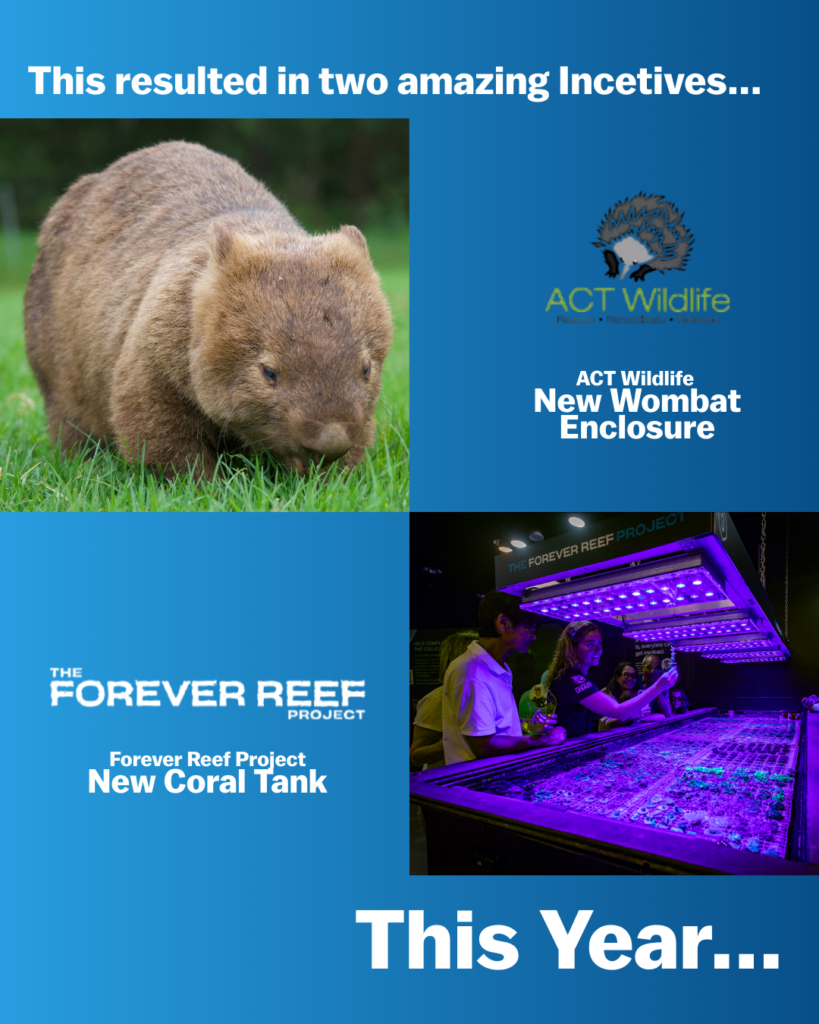
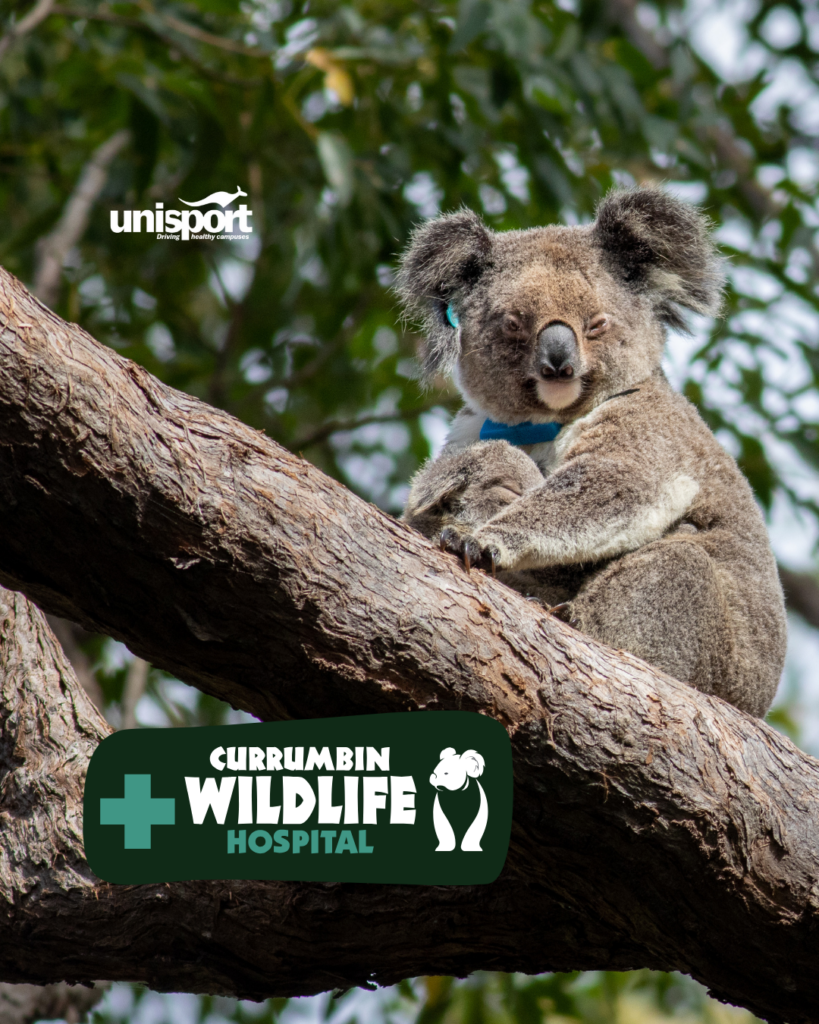
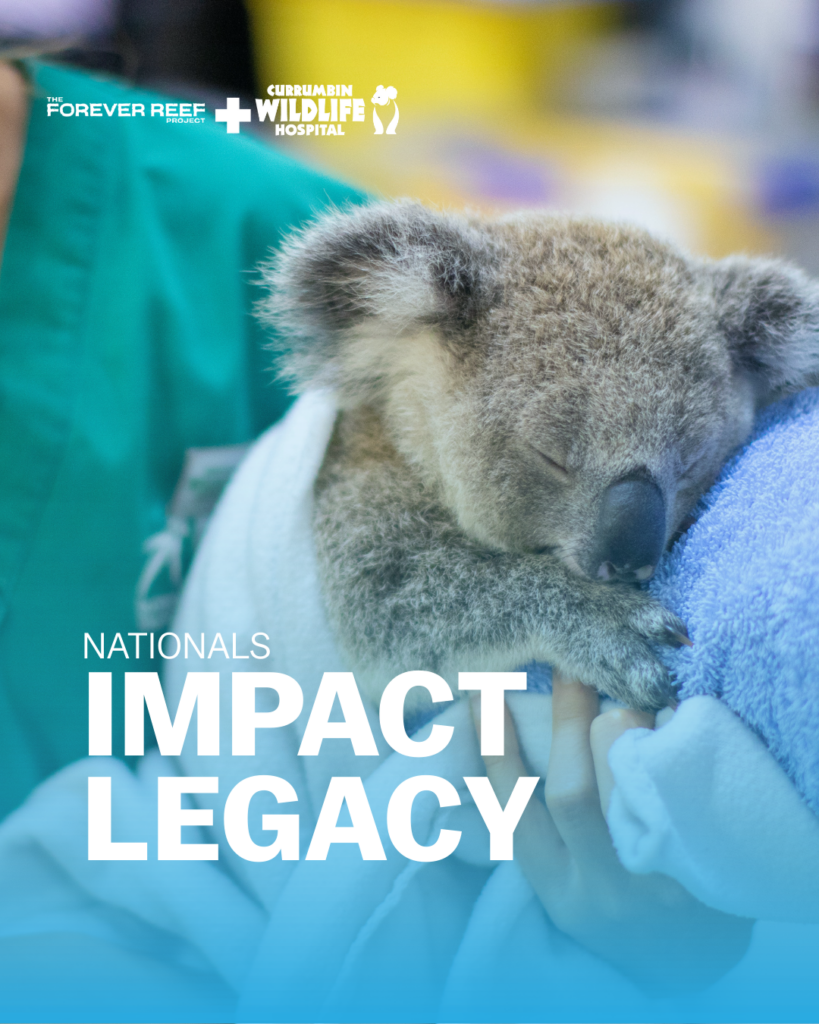
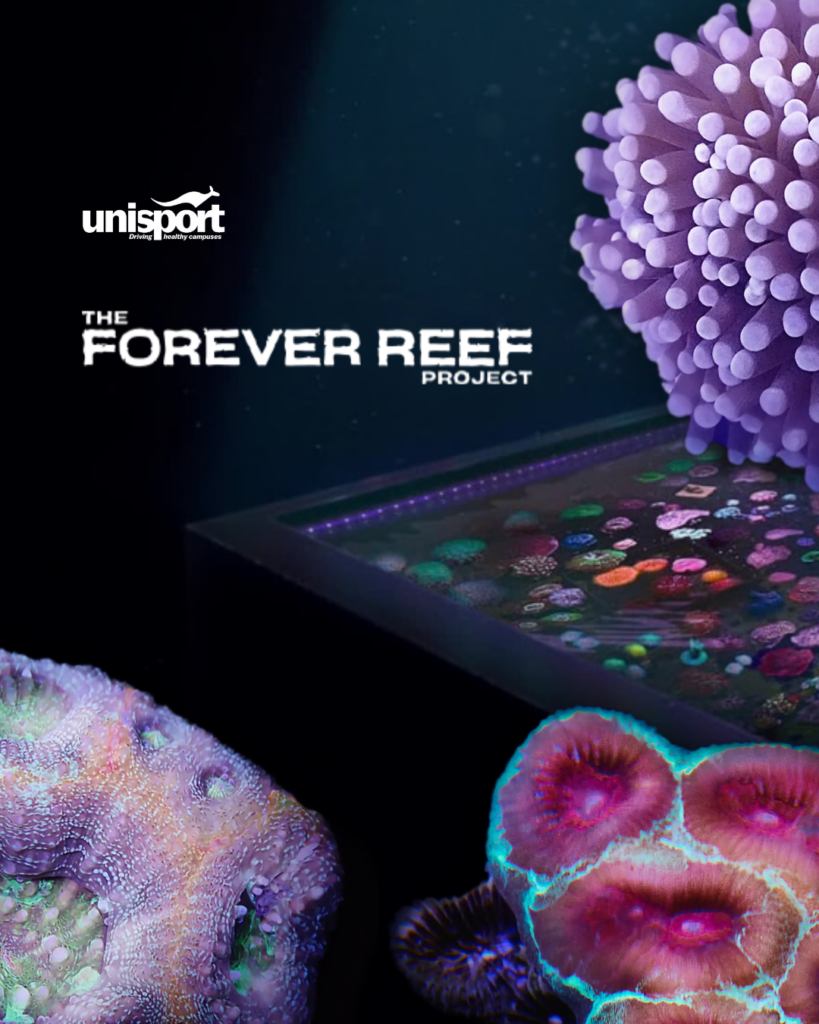
For the past two years, UniSport’s Nationals environmental legacy projects have raised over $32,000 for vital conservation efforts across Australia. Partnering with sustainability partner Everclime, funds raised through Nationals registration fees have supported the Forever Reef Project (Great Barrier Reef Legacy), Currumbin Wildlife Hospital, and ACT Wildlife Centre.
This year, Nationals Perth continues that legacy closer to home, with a selection of WA-based environmental legacy projects chosen by student leaders.
All event participants will have the opportunity to contribute to these projects, via a small contribution at the time of registering for the event. Importantly, UniSport will match dollar-for-dollar every contribution made by event participants.
This is your opportunity to leave your own meaningful, lasting impact in WA, long after the competition has finished. Click here to register for 2026 UniSport Nationals Perth.
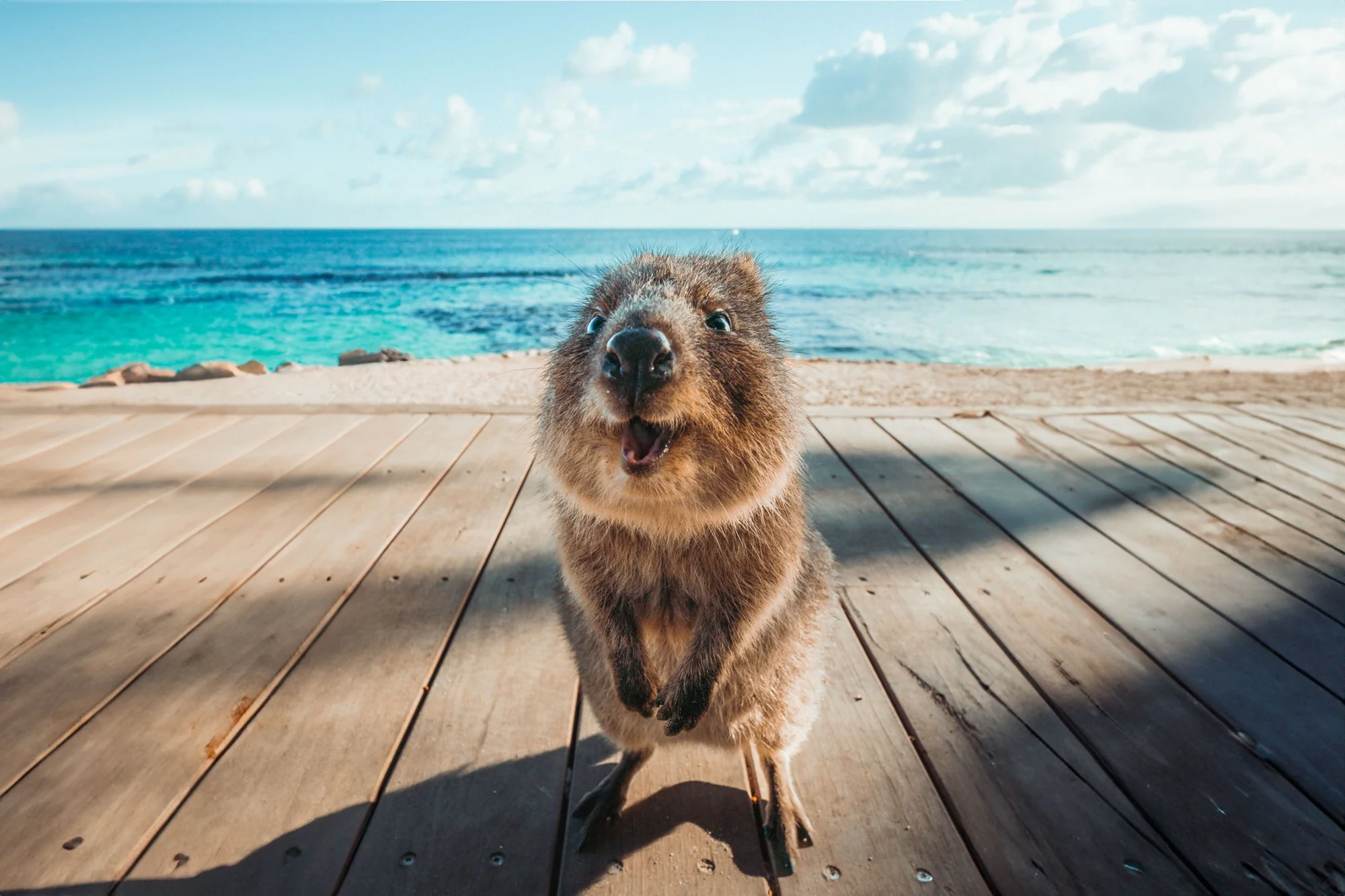
To the Whadjuk Noongar people, the island’s traditional owners, Rottnest has been known as Wadjemup – “the place across the water where the spirits are” – for thousands of years. It wasn’t until 1696 when Willem de Vlamingh arrived and discovered the quokkas that it became knows as Rat’s Nest Island (‘t Eylandt ‘t Rottenest) as he confused the quokkas with giant rats! A much-loved destination for locals, Rottnest Island is steeped in natural, cultural and historical importance.
The Rottnest Foundation raises funds and delivers programs to “conserve the essence of Wadjemup,” working in partnership with the Rottnest Island Authority on projects of significant cultural, heritage, and environmental importance. Their work spans native habitat restoration, quokka and seabird protection, marine conservation across the island’s reef systems, and cultural heritage programs honouring the island’s Noongar significance. One of their flagship achievements is the Wadjemup Bidi – a 45 km network of walking trails connecting visitors with the island’s rich wildlife and cultural history – to which the Foundation has contributed over $1.1 million. They’ve also led a Settlement Greening Plan involving the planting of over 130,000 trees and shrubs to restore native quokka habitats.
For interstate athletes visiting Perth for the first time, this is a chance to leave a lasting mark on a place you can actually visit. Book a ferry, grab a bike (don’t forget your quokka selfie) and explore the exceptional island that is Wadjemup – or better yet, adopt a quokka, the world’s happiest marsupial.
You can find more information about the Rottnest Foundation here.
Forever Wild is an Australian charity that designs and implements funding structures for conservation at scale. Rather than relying on grants or donations alone, Forever Wild builds projects and mechanisms that let organisations invest directly in measurable outcomes for nature. It owns and manages one of Australia’s largest privately managed conservation landscapes, spanning more than 600,000 hectares across four stations, Narndee, Boodanoo, Meeline and Challa, in WA’s western deserts.
This partnership supports the Narndee Malleefowl Project, working to conserve and protect one of the few large mound building birds remaining on earth. Once common and widespread throughout southern Australia, Malleefowl numbers have declined significantly over the last century, and the species has disappeared from most of its former range and is now considered threatened with extinction. Baseline monitoring at Narndee has revealed active breeding activity and widespread signs of the species, indicating the site may hold one of the more nationally significant remaining Malleefowl populations in Australia, a genuine opportunity for the species’ broader recovery.
For students travelling to Perth for Nationals, your contribution goes directly toward protecting a remote and little known corner of WA’s western deserts, and the data gathered here could help shape Malleefowl conservation across the wider region for years to come.
You can find more information about Forever Wild here.
Thanks to the WA Wildlife Hospital, thousands of native animals get a second chance every year. WA Wildlife has been caring for WA’s native animals since 1998, starting as a small rehabilitation facility in an old house near Bibra Lake. Over nearly three decades it has grown into one of the most sophisticated wildlife hospitals in Australia – now treating more than 6,500 animals across 280 species every year.
It was the first wildlife rehabilitation facility in Western Australia to be licensed as a veterinary hospital, and its purpose-built hospital, funded by the City of Cockburn and fitted out with support from Lotterywest, opened in 2021. Open 365 days a year and entirely free to the public, the hospital receives no ongoing State or Federal government funding and relies heavily on donations and sponsors to keep its doors open.
WA Wildlife Hospital offers daily tours which are fully guided, hands-on conservation experiences. From September through to April, they also offer their Nocturnal Nightstalk tours through the bushland of Bibra Lake where you get to see the secret lives of night-time creatures!
You can find more information about the WA Wildlife Hospital here.
Don’t miss a beat, subscribe for exclusive updates, events, and insider news!
Be part of the action and follow us for the latest moments, wins, and behind-the-scenes action.









Copyright © 2026. UniSport Australia All rights reserved.


The best university Sports action from Australia – stream it live now on UniSportTV.
Watch Live